Views: 0 Author: Site Editor Publish Time: 2026-08-14 Origin: Site
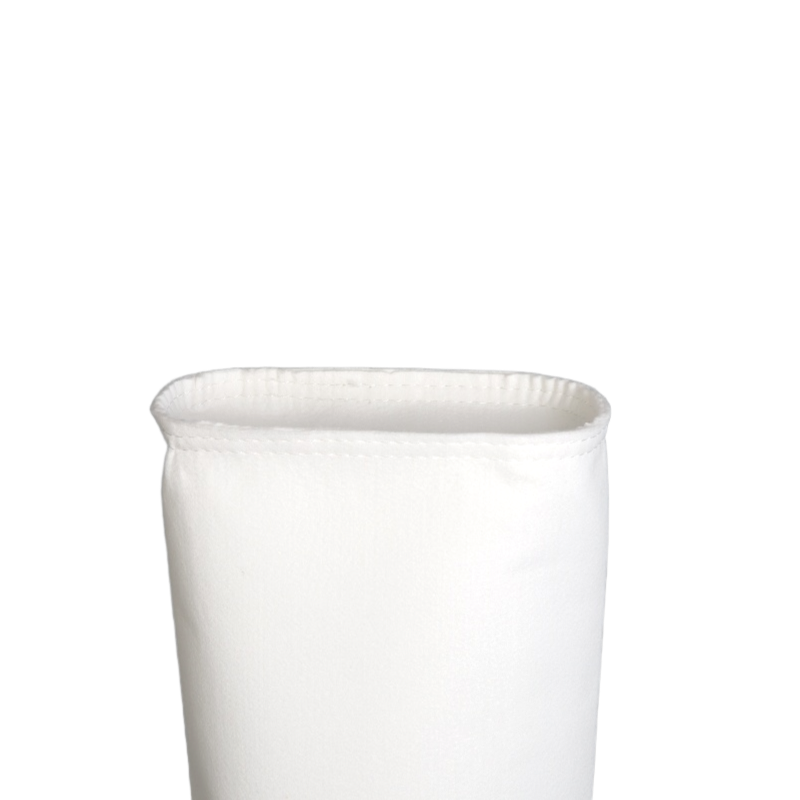
Filter bags represent the highest recurring maintenance expense in any industrial pulse-jet dust collection system. Selecting the wrong media inevitably leads to frequent change-outs and bloated operating budgets. It also causes excessive compressed air consumption and unexpected regulatory non-compliance. Pulse-jet cleaning relies on violent physical mechanics. The rapid expansion and aggressive snap-back forces stress the fabric continuously. You must carefully balance mechanical durability alongside optimal filtration efficiency when choosing pulse jet filter bags. A generic, off-the-shelf replacement often fails prematurely in demanding, heavy-dust environments. We designed this article to provide a comprehensive, step-by-step evaluation framework. You will learn how to specify the exact filter media and structural construction required for your facility's unique airstream. By baselining your operating conditions, you can stop guessing and start engineering a highly reliable filtration solution.
Media selection must account for both continuous operating temperatures and temporary thermal surges to prevent catastrophic bag failure.
Chemical composition of the gas stream (moisture, acids, alkalis) dictates whether standard Polyester Filter Bags suffice or if high-performance PTFE Filter Bags are required.
A filter bag is only as effective as its physical fit; precise tolerances between the bag and the Bag Cage prevent flex-fatigue and abrasion leaks.
Pulse-jet baghouses clean themselves using short, intense bursts of compressed air. This cleaning cycle places tremendous mechanical stress on the fabric. During a pulse, a diaphragm valve releases compressed air down a blowpipe. This air shoots directly into the filter. The bag inflates rapidly and hits its extreme elastic limit. It immediately snaps back against its internal metal support structure. This violent, repetitive cycle dislodges the accumulated dust cake. The fabric endures this harsh flexing thousands of times every month.
Incorrect media choice often yields disastrous operational results. We frequently observe premature blinding in poorly designed systems. Blinding occurs when fine dust permanently embeds itself deep inside the fabric fibers. The cloth loses all permeability. Airflow drops plummet, and extraction fails. Flex-cracking represents another common failure. Stiff materials bend excessively across internal supports and eventually split open. Thermal degradation literally cooks inappropriate fabrics until they disintegrate into brittle fragments.
What does a successful baghouse upgrade look like? First, you will achieve a low, stabilized differential pressure across the tubesheet. Next, you will extend the operational life of your filters. A solid industrial target is two to three years of continuous service. You will also notice significantly reduced compressed air usage. The system cleans itself efficiently, requiring fewer pulses. Finally, reliable filtration ensures strict EPA and OSHA regulatory compliance at all times.
You cannot buy industrial filters based purely on physical dimensions. You must carefully baseline your specific operating environment first. Skipping this step guarantees premature equipment failure.
Thermal profiling acts as your primary filter selection metric. You must clearly differentiate between your continuous operating temperature and temporary thermal surges. Process upsets routinely create sudden heat spikes. A common mistake is specifying a fabric right at its maximum continuous thermal limit. Never do this. Always leave a safety buffer to absorb unexpected temperature spikes. If a bag exceeds its limit, the fibers shrink, lose tensile strength, and fail catastrophically.
Next, examine your gas chemistry thoroughly. Heat combined with moisture causes hydrolysis. This chemical reaction breaks down molecular polymer chains rapidly. Polyurethane and standard polyesters suffer terribly in wet heat. Oxygen and corrosive chemicals degrade other fibers through intense oxidation. You must fully understand these unseen chemical risks before choosing a base fabric.
Analyze your particulate profile carefully. Is the incoming dust highly abrasive? Sand, alumina, and fly ash act like sandpaper against fabrics. Does the dust tend to agglomerate into sticky, tacky clumps? You also need to verify any specific combustibility requirements. Explosive dusts demand specialized anti-static filter media. These static-dissipative materials prevent catastrophic ignition inside the hopper.
Finally, review your system's air-to-cloth ratio. This critical metric measures the volumetric flow rate against the total filtration area. High ratios create high interstitial velocities. This pushes particles deeper into the fabric matrix. Systems running high ratios typically require heavier, denser needle-punched felts. A robust felt prevents fine dust bleed-through under high pressure.
We must match the fabric properties to the airstream characteristics defined above. Different materials offer distinct advantages and fatal vulnerabilities. We categorize these choices into standard and high-performance tiers.
Standard materials handle the vast majority of basic industrial applications. Standard Polyester Filter Bags serve as the undisputed industry workhorse. They perform exceptionally well in dry, ambient to warm conditions. You can use them safely up to 275°F (135°C). They offer robust structural integrity and remain highly cost-effective. However, they are exceptionally vulnerable to heavy moisture and strong acids. Polyester breaks down quickly under hydrolysis.
If your process exceeds these limits, Aramid provides an excellent mid-tier step-up. Many professionals know Aramid by its trade name, Nomex. Aramid handles high heat beautifully, withstanding up to 400°F (204°C). It works best in dry, high-heat environments like foundries or cement plants. It resists abrasion well but degrades quickly in highly acidic or alkaline gas streams.
Severe chemical applications demand premium engineered solutions. High-performance PTFE Filter Bags represent the gold standard for brutal environments. PTFE handles severe chemical attacks effortlessly. It withstands continuous high heat up to 500°F (260°C). It shrugs off moisture, acids, and alkalis. They prevent crippling unplanned downtime in severe industrial applications.
Fiberglass offers another compelling option for extreme heat. It provides excellent chemical resistance and high thermal stability up to 500°F (260°C). However, bare fiberglass possesses terrible flex-fatigue resistance. The violent snapping of pulse-jet cleaning easily fractures brittle glass fibers. Therefore, fiberglass requires special chemical finishes. It also demands high-wire-count supports to survive the cleaning pulse.
Filter Media Application Comparison Guide
Filter Media Type | Max Continuous Temp | Acid Resistance | Alkali Resistance | Flex-Fatigue Resistance |
|---|---|---|---|---|
Polyester | 275°F (135°C) | Poor to Fair | Fair | Excellent |
Aramid (Nomex) | 400°F (204°C) | Poor | Fair to Good | Excellent |
PTFE | 500°F (260°C) | Excellent | Excellent | Fair to Good |
Fiberglass | 500°F (260°C) | Good to Excellent | Poor to Fair | Poor |
The raw fabric rarely handles the entire filtration load alone. The primary filtration actually happens within the dust cake itself. This highly permeable layer of dust forms directly on the bag's surface. The fabric acts primarily as a supportive matrix. However, you must manage this cake during the active cleaning pulse. Proper surface treatments ensure the dust detaches and falls into the hopper instead of clinging permanently.
Singeing and glazing are highly effective mechanical finishes. Singeing passes the raw fabric over an open flame. This rapidly removes stray, loose fibers from the exterior surface. Glazing presses the material between high-pressure heated rollers. Both mechanical methods create a noticeably smoother surface profile. This prevents sticky, agglomerating dust particles from clinging to loose surface fibers.
For rigorous environmental demands, manufacturers apply ePTFE membranes. They thermally laminate a thin, microporous membrane directly onto the base substrate. This creates true surface filtration. The fine dust never penetrates the base fabric at all. ePTFE membranes are absolutely ideal for sub-micron particulate, including PM2.5. They easily handle highly cohesive dusts. Facilities facing strict EPA emission limits routinely rely on membrane technology.
Chemical treatments offer another critical layer of defense. Manufacturers fully submerge the raw fabric in specialized chemical baths. Oleophobic treatments make the fibers deeply oil-repellent. Hydrophobic treatments make them highly water-repellent. These liquid chemical baths prove essential in moisture-heavy environments. They stop condensation from turning the dust into a heavy, blinding mud.
A premium filter material fails instantly if it fits poorly. You must coordinate the fabric perfectly with its supporting hardware components. Filtration relies heavily on physical tolerances.
Specifying the exact correct Bag Cage is an absolute non-negotiable requirement. Bag-to-cage tolerances dictate operational survival. If a fabric tube fits too loosely, the material flexes excessively during the air pulse. This wild movement creates intense friction against the metal wires. The bag quickly rips open. Conversely, a tight fit restricts the air pulse entirely. The bag cannot expand. The dust cake never dislodges, and the entire system blinds over.
Top and bottom constructions also require extreme precision.
Top Fit: Pulse-jet systems most commonly utilize snap band tops. These feature a flexible metal band sewn directly into the upper cuff. Other options include simple ring tops or raw edges. The top construction must form a perfect, airtight seal at the metal tubesheet. Even a tiny gap allows fine dust to bypass into the clean air plenum.
Bottom Fit: The bag bottom takes a severe beating from incoming abrasive dust. It also suffers from violent hopper turbulence. Common upgrades include double-layered disc bottoms and reinforced wear strips. These extra protective layers prevent localized abrasion where the bag vigorously rubs against the metal cage bottom.
Finally, strongly consider your cage wire count. Lighter or physically fragile media require substantially more physical support. A delicate fiberglass material needs a robust 20-wire cage. The tighter wire spacing minimizes the bending radius of the fabric. It prevents rapid flex-fatigue. In contrast, standard heavyweight polyester felts generally perform perfectly well on standard 10- or 12-wire designs.
Sourcing filtration components requires strict engineering discipline. You must request the exact right data from your potential suppliers. Do not rely solely on glossy marketing brochures. Ask for specific, measurable test metrics.
You need the Mullen burst strength test results. This metric gauges overall mechanical durability and burst resistance. You need the permeability CFM numbers. This helps you understand baseline airflow resistance. You also need precise thermal shrinkage specifications. A bag that shrinks significantly under high heat will strangle the internal support wires and tear itself apart.
Testing and validation actively mitigate your purchasing risks. Never undertake a facility-wide change-out blindly based on a catalog number. Send a used, failed bag directly to the vendor for a professional laboratory analysis. A reputable engineering supplier will perform permeability testing. They will check for tensile strength loss across the warp and weft yarns.
You should also send a raw dust sample. The lab can analyze the particulate structure under a microscope. They can recommend the absolute ideal surface finish for your specific agglomeration tendencies. This empirical, data-driven approach ensures your new specification will actually solve your chronic operational problems. Rely on science, not guesswork, to protect your Dust Collector Filter Bags investment.
Choosing the optimal filtration media remains a strict, technical engineering decision. It is never a simple, low-bid commodity purchase. Your entire facility relies on these specific components. They maintain crucial airflow, protect expensive downstream equipment, and meet strict environmental regulations. A mismatched material causes cascading failures across the entire pneumatic conveying system.
We highly recommend starting your procurement journey with an accurate, thorough audit of your current operating conditions. Process variables change significantly over time. Temperatures drift. Moisture levels fluctuate. Automatically ordering the identical OEM replacement part often simply repeats past failures. Take the time to evaluate your heat, moisture, and chemical loads today.
Take immediate action by consulting an engineered filtration specialist. They can precisely match the base media, specialized surface treatments, and internal support structures to your specific industrial process. Upgrading your components thoughtfully will secure long-term operational reliability. It will ultimately stabilize your system efficiency for years to come.
A: They typically last one to three years. This lifespan depends heavily on your specific industrial application, overall dust load, and cleaning cycle frequency. If you experience premature failure under six months, it usually indicates the wrong media choice, excessive operating temperatures, or a severe system malfunction requiring immediate attention.
A: Generally, no. Moisture combined with heat creates a high risk of hydrolysis. This chemical reaction quickly breaks down and weakens polyester fibers. Hydrophobic surface treatments can help in very mild cases. However, high-moisture environments usually require highly resistant alternative media, such as Polypropylene or PPS, to survive.
A: This symptom usually indicates blinding. Blinding happens when fine dust becomes trapped deep inside the fabric matrix. It can also stem from inadequate cleaning air pressure. You may need to resize your internal hardware or switch to a surface-treated material, such as an ePTFE membrane, to encourage proper dust release.