Views: 0 Author: Site Editor Publish Time: 2026-04-29 Origin: Site


Dust collectors form the vital respiratory system of your manufacturing facility. Operating them with degraded filter bags does not just reduce system suction. It directly compromises facility compliance, strains fan motors, and forces unplanned production downtime. Many operators struggle to differentiate between normal operational wear and terminal filter failure. A healthy dust cake often looks dirty to the untrained eye, but it actually filters more efficiently. However, issues like filter blinding, hydrolysis, or mechanical damage require immediate intervention.
Pinpointing the exact moment replacement becomes cost-effective saves you thousands in wasted energy and lost production. We designed this guide to help you evaluate your baghouse health accurately. It outlines the hard quantitative thresholds you must monitor. You will discover the physical indicators and system-level impacts signaling media failure. By the end of this article, you will know exactly when it is time to replace your media rather than continuing to operate a failing system.
Rely on Data, Not Visuals: A "dirty" filter is often operating at peak efficiency due to the dust cake. Replacement decisions should be driven by Differential Pressure (ΔP) metrics, specifically the 4-5-6 inWC rule.
Identify Blinding vs. Clogging: If pulse-cleaning cycles fail to lower the pressure drop, the filters are depth-loaded (blinded) and mechanically exhausted.
Never Mix Old and New: Replacing partial batches (beyond a 5% emergency threshold) forces airflow into the path of least resistance, instantly destroying the new bags.
Match Media to Process: Premature failure often points to incorrect media selection; upgrading to advanced materials is required if chemical or thermal degradation is present.
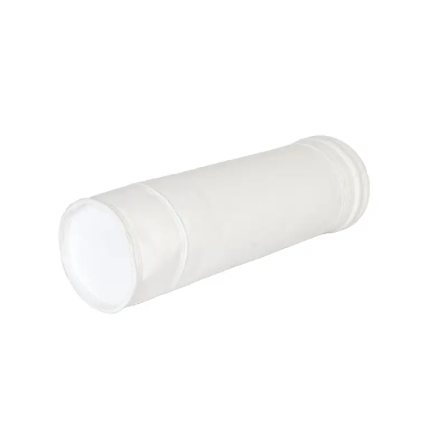
Visual inspections often mislead maintenance teams. You cannot accurately judge filter health simply by looking at the fabric. Instead, differential pressure (ΔP) serves as your most accurate diagnostic tool. It measures the resistance to airflow across the filter media. A new, clean filter offers little resistance. As the dust cake builds, resistance increases naturally. We rely on this metric to separate healthy operational resistance from terminal filter failure.
Industry experts universally rely on the 4-5-6 rule to manage baghouse maintenance schedules. This framework translates differential pressure readings into clear, actionable steps. It prevents you from replacing healthy bags prematurely while protecting your equipment from dangerous over-pressurization.
ΔP Threshold (inWC) Operational Phase Required Action 4 inWC The Warning Phase Order replacement inventory now. This proactive step helps you avoid supply chain delays. 5 inWC The Scheduling Phase Plan an upcoming maintenance shutdown. Coordinate labor and safety protocols. 6 inWC The Critical Failure Phase Mandatory immediate replacement. Continuing to run risks structural damage and fan over-amping.
Differential pressure alone only tells part of the story. You must observe how ΔP responds to your cleaning mechanism. A healthy system typically operates at a baseline resistance of 3 to 5 inWC after a cleaning cycle. Activate your pulse-jet or shaker system. Watch the pressure gauge closely. If the cleaning cycle no longer returns the ΔP to this baseline, your media is permanently depth-loaded. The dust has penetrated so deeply into the fabric matrix that compressed air cannot dislodge it. At this point, the filter is exhausted mechanically.
While data guides your primary decisions, sensory clues often provide early warnings. Operators walking the facility floor should remain alert for physical and environmental changes. These indicators signal a breakdown in your filtration integrity.
Blinding occurs when microscopic pores within the fabric permanently fuse with particulate matter. When you inspect a blinded bag, it will feel stiff. Sometimes it feels hard as a rock. You will commonly see this phenomenon in asphalt, cement, or food processing applications. Sticky particulates or dew-point condensation create a cement-like paste. Once blinding happens, airflow chokes. The bag loses all permeability, rendering it entirely useless.
Your ears and nose often detect baghouse failures before your pressure gauges sound the alarm. Train your personnel to recognize the following environmental anomalies:
Whistling or Hissing Noises: These sounds strongly indicate pinhole leaks. They also point to fabric tears or loose cages. Air bypasses the filter media, rushing through these gaps at high speeds to create an acoustic whistle.
Burning Odors: If you smell burning near the collector, act immediately. This suggests severe blockage. The restricted airflow starves the system, causing the motor or fan to overwork and overheat dangerously.
Some environments silently destroy standard filtration fabrics. Check your bags for brittle, crumbling material. High heat combined with moisture causes hydrolysis. This chemical reaction breaks down standard polyester or aramid fibers at a molecular level. The bags may look intact from a distance, but they will disintegrate upon touch. If your process introduces acids, alkalis, or heavy moisture, standard commodity fabrics will fail rapidly.
This is the most critical visual indicator. Any visible dust plume escaping from the exhaust stack means your system integrity is breached. Healthy filters capture fine particulates effectively. Even a single pinhole in one bag allows dust to bypass the system. This visible emission instantly exposes your facility to EPA or OSHA compliance violations. You must shut down and isolate the broken bag immediately.
Many plant managers delay replacing filter bags to save money on maintenance budgets. This strategy always backfires. Operating a compromised dust collector creates a domino effect of hidden costs across your entire facility.
A blinded baghouse loses its suction power rapidly. When dust extraction slows down, your material processing times suffer. Machining centers, sanders, or mixers must wait for airborne dust to clear. Operators are forced into frequent micro-stops to manually sweep or wait for the haze to settle. These small delays accumulate, severely reducing your overall daily throughput.
If your extraction system fails, airborne contaminants stay in the production environment. They eventually settle back down onto the production line. In food, pharmaceutical, or fine manufacturing processes, this creates visible impurities in your finished goods. Poor dust collection directly correlates with higher product rejection rates and frustrated customers.
Energy penalties represent the largest hidden cost of delayed maintenance. As airflow resistance increases, your system must work harder to pull the same volume of air. Variable Frequency Drives (VFDs) automatically force fans to pull more amperage to maintain the required CFM (Cubic Feet per Minute). This electrical spike happens silently. The cost of this wasted energy over a few months frequently outweighs the actual price of purchasing new bags.
Aging, clogged systems cannot effectively mitigate combustible dust. When dust settles on overhead pipes or beams due to poor suction, your facility becomes a hazard zone. This directly violates NFPA 652 standards. An inefficient dust collector exposes your entire plant to catastrophic secondary explosion risks. Regulatory fines for these safety gaps can cripple a business.
If you find yourself replacing filters more frequently than every 12 to 24 months, investigate the root cause. Normal wear and tear accounts for standard replacements. Premature failure usually points to a mismatch between your equipment and your operating environment.
Using cheap commodity bags in extreme environments guarantees short lifespans. Standard polyester cannot survive high temperatures, corrosive chemicals, or heavy moisture. You must align your media chemistry with your particulate chemistry. Upgrading to PTFE Industrial Filter Bags provides unmatched chemical resistance and extreme temperature tolerance. They offer a non-stick surface that releases dust easily during pulsing. This upgrade drastically lowers your total cost of ownership in harsh processing environments.
Temperature fluctuations destroy filter media quickly. Operating your baghouse below the dew point causes airborne moisture to condense. This moisture binds with the collected dust, effectively cementing the bags shut. To combat this, you must keep the airstream warm. We highly recommend system insulation. Additionally, injecting pre-coat agents like limestone powder absorbs moisture before it hits the fabric, protecting the media's pores.
Human error ruins more filters than mechanical failure. Watch out for these common maintenance mistakes:
The Washing Fallacy: Never manually wash or pressure-wash standard bags. Water completely destroys the microscopic fiber matrix. It strips away protective chemical treatments, ensuring immediate failure upon reinstallation.
Incorrect Air Pressure: Pulse-jet cleaning relies on precise compressed air. You must keep pressure within the 60-100 PSI range. Using pressure below 60 PSI fails to dislodge the dust cake. Using pressure above 100 PSI acts like a hammer, accelerating physical wear and tearing the fabric.
When the data indicates it is time for a change, how you execute the replacement matters just as much as the filters you choose. Poor installation practices can ruin a fresh set of bags on day one.
You must always replace 100% of the filter bags simultaneously. Mixing new and old bags completely destroys system equilibrium. Air behaves like water; it seeks the path of least resistance. If you install ten new bags alongside ninety blinded bags, all the dirty air rushes through the ten new ones. They will handle 100% of the particulate load. This overloads and ruins the new bags within days. Only break this rule for extreme emergencies, and limit partial replacements to less than 5% of total system capacity.
Smart maintenance teams standardize their procurement and audit schedules. Many manufacturing facilities utilize both wet and dry processing operations simultaneously. You should align your dust collector downtime with your broader fluid system audits. For example, evaluate when to replace a saturated Liquid Filter Bag on the wet processing line during the same planned shutdown. Coordinating these routine checks minimizes production interruptions and reduces total facility downtime dramatically.
To maximize the return on investment for your newly installed filters, upgrade your system controller. Traditional baghouses use a "continuous timer" that pulses the bags every few minutes, regardless of need. This over-cleans the bags, wearing them out mechanically. Switch to an "on-demand" cleaning cycle driven by the differential pressure gauge. The system only pulses when the ΔP hits a specific threshold. This minor electrical upgrade prevents over-pulsing and often doubles the mechanical life of your new bags.
Relying purely on visual inspections often leads to prematurely discarding perfectly healthy bags or dangerously operating blinded ones. You must trust your pressure gauges above all else. Monitor the facility for acoustic anomalies and aggressively track your emission compliance to catch failures early.
Implement the 4-5-6 inWC rule today to build a data-driven maintenance schedule.
Never wash your filter bags. Throw away permanently blinded fabric.
Always replace your bags in full batches to maintain proper system airflow equilibrium.
Transition your pulse controls to an on-demand system to extend bag life.
If your system consistently operates above 5 inWC despite pulse cleaning, initiate a comprehensive media audit. Partner with a filtration specialist to ensure your next set of bags correctly matches your particulate chemistry and operating temperatures. Proper alignment guarantees a maximized lifespan and protects your bottom line.
A: In a properly sized and maintained system, standard bags last 1 to 3 years. Heavy abrasive environments like metal grinding or woodworking operations may require filter replacement every 3 to 6 months due to rapid mechanical wear.
A: No. Manual washing or using high-pressure air and water physically degrades the fabric's micron rating. It completely destroys any protective chemical finishes. This leads to immediate dust bypass upon reinstallation.
A: Blinding, also known as depth-loading, occurs when fine dust penetrates deep into the fabric matrix. The system's pulse-jet cleaning cannot dislodge this embedded material. Consequently, the bag loses its permeability permanently and must be replaced.
A: Loss of suction without physical tearing usually indicates severe blinding. It can also point to dew-point condensation creating a mud-like cake over the fabric. Finally, it may indicate an issue with the cleaning mechanism, such as failed diaphragm valves or low compressed air pressure.


