Views: 0 Author: Site Editor Publish Time: 2026-02-26 Origin: Site
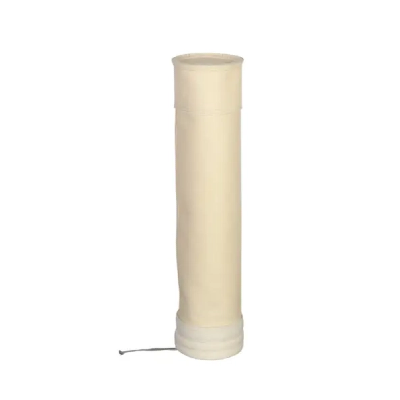
Unexpected downtime often begins with small warning signs that go unnoticed. A gradual increase in pressure drop, visible emissions at stack points, or unstable airflow may appear routine at first, yet these signals frequently indicate that Dust Collector Filter Bags are approaching the end of their service life. Many replacement failures occur not because the filter bags are defective, but because root causes such as moisture intrusion, compressed air quality issues, incorrect pulsing parameters, or damaged cages are not addressed before installation. A structured maintenance checklist transforms filter bag replacement from a reactive task into a controlled engineering process.
Replacing filter bags is one of the most critical maintenance activities in any dust collection system. Proper preparation, correct installation, and post-replacement verification determine whether a system returns to stable performance or continues to experience repeated failures. Suzhou Yuansheng Environmental Technology Co., Ltd. develops filtration solutions designed to simplify maintenance, improve cleanability, and deliver predictable performance after replacement, helping industrial facilities reduce downtime and long-term operating costs.
Effective replacement begins with diagnosis. Rising differential pressure is often the first indicator that filter bags may be clogged or degraded. When airflow decreases while fan performance remains unchanged, filter resistance becomes the likely cause. Visible emissions also suggest bypass leakage, torn bags, or sealing issues.
Visual inspection provides additional insight. Dust accumulation in the clean air plenum, unusual hopper buildup, or uneven dust distribution across compartments may indicate localized failures rather than system-wide bag wear. Identifying these patterns helps determine whether full replacement is required or whether specific sections need attention.
Root cause analysis is essential before removing existing bags. Moisture ingress from temperature swings can cause rapid blinding. Compressed air containing water or oil can interfere with pulsing efficiency. Incorrect pulse frequency may accelerate wear or fail to remove dust cake effectively. Addressing these factors ensures that new filter bags operate under improved conditions.
Safety preparation is a fundamental part of the replacement checklist. Proper isolation prevents unexpected airflow or mechanical movement during maintenance. Lockout procedures ensure that the collector remains stable while technicians access internal components.
Dust exposure must be managed carefully. Many industrial dust types present inhalation or contamination risks, making controlled removal procedures essential. Following site safety standards helps protect personnel while maintaining a clean working environment.
Handling removed filter bags also requires planning. Bags should be extracted carefully to avoid releasing accumulated dust into surrounding areas. Organized disposal or containment procedures support environmental compliance and reduce secondary contamination. A well-defined removal process improves efficiency and prevents additional maintenance issues.
Careful removal protects collector components and simplifies installation. Filter bags should be detached without damaging the tubesheet or surrounding hardware. Excessive force or improper technique can create sealing surface damage that affects new bag performance.
Sealing surfaces must be inspected and cleaned before installation. Dust buildup or debris at the tubesheet can prevent proper seating, leading to bypass leakage. Clean surfaces ensure consistent contact and reliable sealing.
Installation technique plays a decisive role in performance. Filter bags must be seated evenly, without twisting or uneven tension. Proper alignment maintains airflow distribution and prevents localized wear. When installation follows a standardized procedure, replacement outcomes become predictable and repeatable.
Filter cages directly influence filter bag longevity. Bent cages, corrosion, or broken welds create friction points that gradually damage fabric during pulsing cycles. Even minor imperfections can shorten service life significantly.
Surface condition is particularly important. Burrs or sharp edges can cut filter media over time, causing early failure that may appear as material weakness rather than mechanical damage. Inspecting cage surfaces before installation prevents recurring problems.
Venturi components should also be evaluated. Worn or misaligned venturis affect pulse airflow distribution, reducing cleaning efficiency and increasing pressure drop. Replacing damaged hardware during bag replacement ensures that the entire system supports stable operation.
Replacement does not end when installation is complete. Early performance indicators reveal whether the process was successful.
Symptom After Replacement | Likely Cause | What To Check Next |
Immediate pressure spike | Incorrect sizing or poor seating | Verify seating, airflow path, installation accuracy |
Gradual pressure increase | Moisture, blinding, pulsing settings | Check compressed air dryness and pulse frequency |
Visible emissions | Bypass leakage or damaged bag | Inspect sealing surfaces and plenum |
Early bag failure | Cage damage or abrasion zones | Evaluate cage condition and airflow distribution |
This troubleshooting framework helps maintenance teams respond quickly to unexpected behavior and prevent repeated failures.
System startup should include baseline measurement. Recording differential pressure and airflow immediately after replacement establishes a reference for future monitoring. Stable baseline data allows operators to detect deviations early.
Short inspection cycles during the first operating days provide valuable insight. Monitoring performance within the first seventy two hours helps identify installation errors, sealing issues, or unexpected process conditions.
Establishing routine maintenance intervals ensures consistent performance. Daily visual checks, weekly pressure trend review, and monthly inspection routines support proactive maintenance strategies. Consistent monitoring reduces emergency replacements and improves system reliability.
Filter bag design directly affects maintenance intervals. Media engineered for strong cleanability maintain lower pressure drop over longer periods. Reduced pulsing frequency decreases mechanical stress and extends service life.
Stable construction contributes to predictable replacement cycles. Reinforced seams, durable materials, and consistent manufacturing quality reduce unexpected failures. Maintenance planning becomes easier when performance remains consistent.
Customized specifications further prevent recurring issues. Matching filter bags to dust characteristics, temperature, and collector design eliminates common causes of early failure. Facilities that adopt engineered replacement strategies often experience fewer emergency shutdowns and lower overall maintenance cost.
Replacement planning should align with production schedules and operational priorities. Scheduled replacement during planned shutdowns minimizes disruption and allows maintenance teams to perform comprehensive inspection of collector components.
Inventory planning also benefits from predictable replacement intervals. Maintaining the right quantity of filter bags ensures availability without excessive storage. Consistent specifications simplify procurement and reduce variation across installations.
Documentation is an important element of maintenance strategy. Recording replacement dates, pressure trends, and observed wear patterns supports continuous improvement. Over time, maintenance data helps refine specifications and improve system performance.
Filter bag replacement influences more than maintenance workload. Stable filtration improves airflow consistency, which supports process stability. Reliable capture efficiency helps facilities maintain environmental compliance and avoid operational interruptions.
Energy consumption is closely linked to pressure drop stability. Systems operating within optimal pressure ranges require less fan power, reducing operating cost. Predictable performance also simplifies process optimization and capacity planning.
When replacement procedures are standardized and supported by engineered filter bag design, filtration becomes a stable component of production rather than a recurring uncertainty.
Replacing filter bags is not simply a maintenance task but a structured process that combines diagnosis, preparation, installation, and verification. Addressing root causes, following correct installation procedures, and confirming performance after replacement ensures that filtration systems return to stable operation. Facilities that apply a systematic maintenance checklist gain longer service life, fewer emergency shutdowns, and more predictable operating cost. Working with advanced filtration solutions designed for durability and cleanability allows replacement cycles to become planned improvements rather than reactive repairs. Effective replacement strategies ultimately depend on reliable baghouse maintenance practices supported by engineered filtration components.
Contact us to share differential pressure trends, operating conditions, and collector specifications to explore a replacement strategy designed to improve system reliability and long-term performance.
How often should Dust Collector Filter Bags be replaced
Replacement frequency depends on dust characteristics, operating temperature, and cleaning efficiency, but pressure trend monitoring provides the most reliable indicator.
What causes new filter bags to fail quickly after installation
Common causes include unresolved moisture issues, damaged cages, incorrect pulsing settings, and improper installation techniques.
How can maintenance teams verify successful replacement
Baseline differential pressure measurement, airflow monitoring, and early inspection cycles help confirm stable performance after replacement.
Can engineered filter bags reduce maintenance workload
Yes. Filter bags designed for cleanability, durability, and system compatibility extend service intervals and reduce unexpected failures.


