Views: 0 Author: Site Editor Publish Time: 2026-04-08 Origin: Site
Industrial filtration goes beyond simple maintenance. It drives product quality. It ensures environmental compliance. It actively boosts operational profitability. Subpar filtration creates severe hidden costs across your facility. Unplanned downtime and accelerated pump wear quickly drain maintenance budgets. Fluid bypass ruins expensive product batches. You cannot afford these frequent process interruptions.
You can avoid these expensive pitfalls by rethinking your filtration strategy. High-efficiency liquid filter bags solve these common problems. They feature advanced multi-layer, melt-blown designs. These modern filters successfully bridge the gap between standard felt bags and costly cartridge systems. You gain absolute filtration precision. You also maintain excellent dirt-holding capacity.
Upgrading your filtration media transforms your operational efficiency. We will show you exactly how these advanced filters lower your total cost of ownership. You will learn how to select the right micron ratings, compare materials, and protect your critical downstream equipment.
High-efficiency liquid filter bags provide absolute filtration (up to 99.9% efficiency), capturing sub-micron particulate that standard bags miss.
Upgrading reduces Total Cost of Ownership (TCO) by minimizing change-out frequency, lowering energy consumption, and reducing labor costs.
Selecting the right filter bag requires evaluating micron ratings, fluid chemical compatibility (PP vs. PE), and construction features like welded seams.
While facilities utilize industrial dust filter bags for air quality, optimizing the liquid side with high-efficiency filter bags protects downstream equipment and fluid purity.
Standard filtration systems often hide massive inefficiencies. Plant managers frequently overlook these daily operational drains. Recognizing the problem framing helps you justify necessary upgrades.
Standard sewn bags pose a significant contamination risk. Needles punch tiny holes into the fabric during the manufacturing process. Liquid naturally seeks the path of least resistance. Contaminants easily slip through these needle holes. Incorrect sizing multiplies this risk. Operators sometimes deviate from standard Sizes 1 through 7. The bag fits poorly inside the housing basket. Contaminants pass through the resulting sealing gaps. Your downstream product suffers immediate quality degradation.
Standard felt bags often blind prematurely. Blinding means the filter media clogs completely. Premature clogging causes rapid pressure drop spikes across your housing. Your process pumps must work much harder. They struggle against the rising hydrostatic resistance. This struggle increases your daily energy expenditure. High electrical draw inflates your utility bills. It also accelerates motor wear. Your overall fluid throughput drops significantly as the filter chokes.
Frequent bag change-outs drain your operational labor. Every filter change stops production. Maintenance teams must isolate the housing. They must drain the hazardous fluid. They manually remove and replace the heavy bag. This cycle directly harms facility uptime. High-viscosity applications compound this burden. Thick fluids like resins or syrups plug standard bags almost instantly. Your operators spend more time changing filters than monitoring actual production.
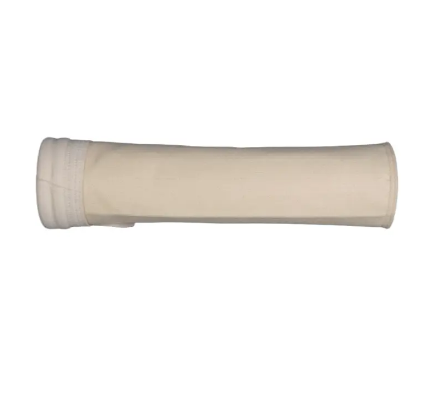
Upgrading your filter media requires an initial investment. However, evaluating the Total Cost of Ownership (TCO) reveals massive long-term savings. High-efficiency designs deliver measurable Return on Investment (ROI).
You must understand the transition from nominal to absolute filtration. Nominal bags capture an average percentage of targeted particulate. A nominal 5-micron bag might only catch 70% of 5-micron particles. Absolute-rated performance guarantees superior results. Absolute filters capture up to 99.9% of targeted particulate. This strict retention rate proves crucial for compliance. Food, beverage, and pharmaceutical facilities rely on absolute filtration to meet rigid safety standards.
High-efficiency bags utilize graded-density layers. Manufacturers fuse melt-blown microfibers together. The bag features distinct filtration zones. The outer layers trap larger particles. The inner layers capture finer sub-micron particulate. This depth filtration prevents premature surface blinding. The design drastically increases your overall dirt-holding capacity. The filter absorbs much more contamination before requiring replacement.
Extended filter lifespan directly reduces your maintenance intervals. Less frequent change-outs mean lower labor costs. Your procurement team spends less time managing filter inventory. Stabilized differential pressure provides another financial benefit. Pumps operate at optimal efficiency for longer periods. Reduced pump energy load translates directly to lower monthly utility costs. These combined savings quickly offset the higher initial purchase price.
Corporate sustainability metrics matter. High-capacity bags directly support your environmental goals. You dispose of fewer filters per quarter. Less frequent disposal reduces your solid waste footprint. Many industrial processes filter hazardous chemicals. Disposing of hazardous waste costs facilities heavily. Reducing the physical volume of discarded filters slashes your hazardous waste disposal fees.
| Performance Metric | Standard Felt Bags | High-Efficiency Melt-Blown Bags |
|---|---|---|
| Filtration Efficiency | Nominal (60% - 80% capture rate) | Absolute (Up to 99.9% capture rate) |
| Dirt-Holding Capacity | Low (Surface blinding occurs quickly) | High (Graded layers trap more debris) |
| Labor Costs | High (Requires frequent change-outs) | Low (Extended operational lifespan) |
| Energy Consumption | High (Rapid pressure drop strains pumps) | Low (Stabilized differential pressure) |
| Waste Disposal Fees | High (High volume of discarded bags) | Low (Fewer bags enter the waste stream) |
Facility engineers manage incredibly diverse systems. You must address both air quality and liquid purity. Understanding the cross-functional differences ensures optimal equipment performance across your plant.
Liquid and air environments demand completely different engineering approaches. Liquid filtration handles intense hydrostatic pressure. The fluid exerts heavy continuous force against the filter media. The housing basket must support this weight. Air systems face pneumatic demands. Airflow velocities fluctuate. Air systems rely on Dust Collector Filter Bags to handle high-volume gaseous streams.
Air filtration mechanisms contrast sharply against liquid mechanisms. Facilities deploy Industrial Dust Filter Bags to shed dry particulate. These air systems use active pulse-jet cleaning. A blast of compressed air flexes the bag. The dry dust cake falls into a collection hopper. Liquid bags operate differently. They utilize depth filtration. The media traps and holds wet contaminants deep inside the fiber matrix. Liquid bags cannot undergo pulse-jet cleaning.
Engineers often use Polypropylene (PP) or Polyester (PE) in both environments. However, the specialized treatments diverge significantly. Dust systems prioritize PTFE surface coatings. This slick coating ensures excellent dust cake release. Liquid applications demand a totally different structure. Optimizing liquid systems requires High-Efficiency Filter Bags. These liquid filters prioritize melt-blown microfibers. They focus on sub-micron retention rather than cake release.
Selecting the proper filter bag prevents catastrophic process failures. You must evaluate specific criteria before making a procurement decision. Focus on micron ratings, material compatibility, and structural integrity.
Matching the micron rating to your application remains critical. You must define the exact size of the target contaminant. Choosing too tight a rating causes immediate clogging. Choosing too loose a rating allows contamination.
1–5 Microns: Ideal for high-purity process water. Breweries use this rating for beverage polishing. Pharmaceutical plants use it for strict safety compliance.
10–50 Microns: Perfect for general industrial fluids. Manufacturers use these bags for paints, viscous coatings, and industrial resins.
100+ Microns: Excellent for pre-filtration. Facilities use this coarse rating for bulk solids removal and initial wastewater straining.
Chemical compatibility dictates material selection. Polypropylene (PP) provides broad chemical resistance. It handles harsh acids and strong alkalis easily. However, PP degrades under extreme heat. Polyester (PE) offers higher temperature tolerance. Facilities use PE for hot fluids lacking strong corrosive properties. Manufacturers also offer specialty functions. Oil absorption bags contain unique microfibers. Wastewater treatment plants use them to strip trace oils from water streams.
Structural construction directly impacts fluid purity. Never accept standard sewn seams for critical applications. You must emphasize the necessity of fully welded seams. Ultrasonic welding melts the fabric edges together. This process eliminates needle-hole bypass completely. Next, evaluate the top ring. Avoid traditional steel rings. Steel rings rely on housing pressure to seal. Instead, choose molded plastic flange rings. Plastic flanges provide a positive, snap-in seal. They prevent fluid from bypassing the bag entirely.
Engineers frequently debate between bag housings and cartridge housings. High-efficiency bags often win this debate. They deliver superior scalability and better handling for tough fluids.
Bag filter housings require very low initial capital. The simple, robust vessel design keeps manufacturing costs down. Single-bag housings handle surprisingly high flow rates. Multi-cartridge housings cost significantly more upfront. They require complex internal manifolds. They demand precise seating for dozens of individual cartridges. Bag systems offer better long-term scalability for growing production lines.
Consider the daily economics of filter replacements. A single Size 2 high-efficiency bag features immense surface area. It easily replaces multiple standard pleated cartridges. Operators benefit immediately. They change one large bag instead of twenty small cartridges. You cut change-out time from several hours down to mere minutes. Furthermore, you drastically reduce operator exposure to hazardous industrial fluids.
Fluid viscosity strongly influences filter performance. Pleated cartridges struggle with highly viscous fluids. Paints, heavy syrups, and resins quickly coat the outer pleats. The cartridge blinds immediately. The fluid cannot penetrate the tight pleat geometry. High-efficiency bags prove vastly superior here. They utilize thick, open depth media. The media absorbs thick contaminants without immediately blinding. Bag filters remain the undisputed standard for high-viscosity applications.
Even the best filter bags fail under poor maintenance protocols. You must establish strict operational guidelines. Proper monitoring, housing checks, and storage habits extend filter life.
Establish Differential Pressure Monitoring: You must establish a strict baseline rule for change-outs. Never wait for a complete flow blockage. Operators should replace bags before differential pressure reaches 15 to 20 psi. Pushing pressure beyond 20 psi risks catastrophic bag rupture. Ruptures send concentrated dirt directly downstream. High pressure also damages the metal housing basket.
Verify Housing Compatibility: Always use a compatibility checklist. Warn your team against retrofitting high-efficiency bags into incompatible legacy housings. Modern multi-layer bags weigh more when fully loaded. They require complete structural support. Ensure your internal restrainer basket matches the bag dimensions perfectly. A lack of support causes multi-layer bags to tear apart under heavy hydrostatic pressure.
Control Storage and Degradation Risks: Spare filters require proper environmental control. Provide strict operational advice to your inventory team. Store spare bags away from extreme UV light exposure. UV radiation rapidly degrades synthetic polymers like Polypropylene. Avoid high-humidity storage environments. Moisture compromises the structural integrity of certain materials before use. Keep all bags sealed inside their original boxes until the moment of installation.
Transitioning to high-efficiency liquid filter bags represents a vital strategic move. You significantly lower your Total Cost of Ownership. You eliminate bypass risks and ensure consistent product quality across every batch. Furthermore, you protect expensive downstream capital equipment from abrasive particulate damage.
We encourage procurement managers and plant engineers to take immediate action. Conduct a comprehensive differential pressure audit on your existing filtration lines. Request a pilot test of high-efficiency melt-blown bags. Compare the new operational data against your current setup. You will quickly measure tangible ROI through reduced maintenance labor, lower energy draw, and superior fluid purity.
A: Nominal ratings represent an average percentage of captured particles. A nominal bag might catch 70% of contaminants at its rated size. Absolute ratings define a strict, guaranteed retention rate. An absolute bag captures up to 99.9% of targeted particulate. Critical industries demand absolute ratings for safety and compliance.
A: Replacement frequency depends entirely on differential pressure, not calendar days. You should replace the filter bag before the pressure drop across the housing reaches 15 to 20 psi. Waiting too long increases energy costs and risks a catastrophic filter rupture.
A: No. While operators can wash and reuse certain coarse monofilament mesh bags, high-efficiency filters are strictly single-use. Washing a multi-layer melt-blown bag destroys its delicate microfiber structure. Reusing them compromises the absolute micron rating and guarantees dangerous fluid bypass.
A: Yes. The physical size of the bag directly correlates to its maximum throughput. A standard Size 1 bag offers less surface area, accommodating lower flow rates. A standard Size 2 bag provides double the surface area. Size 2 bags handle significantly higher flow rates and hold twice the dirt.


