Views: 0 Author: Site Editor Publish Time: 2026-06-17 Origin: Site
Industrial facilities rely entirely on efficient dust control systems to maintain safe, productive environments. Premature filter failure creates massive operational headaches. Unplanned downtime stops production lines completely. Furthermore, continuously running pulse valves consumes massive amounts of expensive compressed air. Poor filtration also creates dangerous compliance risks. Facility managers face potential regulatory fines when emissions exceed legal limits.
Extending filter life demands a shift from reactive replacements to proactive condition monitoring. You must optimize your cleaning cycles. You also need application-specific media selection. This guide provides an evidence-based framework to audit your current performance accurately. We will help you implement standardized maintenance protocols. Finally, you will discover exactly when upgrading your media becomes more cost-effective than endless troubleshooting. Proper care transforms your dust collector from a maintenance burden into a highly reliable asset.
Monitor Differential Pressure: Relying on continuous pulse cleaning accelerates wear; transitioning to on-demand, pressure-based cleaning significantly extends media life.
Control the Environment: Managing interstitial velocity, moisture, and temperature spikes prevents the most common causes of bag failure: abrasion and blinding.
Match Media to Application: Standard polyester fails in specialized environments; utilizing purpose-built media reduces replacement frequency and ensures regulatory compliance.
Calculate Total ROI: The decision to replace should be driven by the tipping point where increased fan energy and compressed air costs outweigh the price of a new filter set.
You cannot improve a system until you establish a reliable baseline. Typical Dust Collector Filter Bags last between 12 and 36 months. However, this lifespan varies wildly based on operational variables. Operating hours play a major role. Heavy continuous operation degrades fabrics faster than intermittent use. The physical characteristics of your dust also matter. Highly abrasive particulate destroys fibers quickly. Finally, your system's air-to-cloth ratio dictates how much physical stress the media endures.
Operators must distinguish between natural end-of-life and premature failure. Natural degradation is a slow process. Over time, depth-loading causes a gradual loss of permeability. The fabric simply holds too much embedded dust. Conversely, premature failure happens abruptly. Sudden blinding blocks all airflow instantly. Tearing occurs from severe abrasion or poor installation. Chemical degradation melts or rots the fibers without warning. Recognizing these sudden failures helps you address root causes immediately.
We define successful optimization through strict operational criteria. An extended lifespan requires a highly stable differential pressure. You should see zero visible emissions from the exhaust stack. Furthermore, you want significantly reduced pulse-valve actuation. When valves fire less frequently, the fabric experiences less physical trauma. Achieving these three criteria proves your maintenance strategy is working.
Filters do not simply break on their own. External forces constantly attack the fabric. Understanding these variables allows you to protect your investment proactively. Here are the core variables you must control:
Mechanical Wear & Abrasion: High interstitial velocity damages media rapidly. This upward draft pulls heavy particulate forcefully. The fast-moving dust physically erodes the lower portions of the bags. Excessive dust loading compounds this problem. The fabric simply wears away from constant friction.
Moisture and Oil Blinding: Hygroscopic dust absorbs ambient humidity readily. Oil vapors act as a thick glue. Together, they create a concrete-like cake on the fabric surface. Standard pulse-cleaning cannot dislodge this hardened layer. The media becomes permanently blinded. Airflow drops to near zero.
Chemical and Thermal Attack: Harsh environments destroy standard fibers. Polyester suffers heavily from hydrolysis. This chemical reaction occurs when moisture meets high heat. The fibers become brittle and snap. Oxidation presents another major threat. You need strict temperature control to prevent immediate fiber breakdown.
Hopper Bridging: Allowing dust to accumulate in the hopper is a common mistake. The dust builds a bridge across the discharge opening. This forces particulate back up into the airstream. The filters must process the same dust multiple times. Re-entrainment spikes your differential pressure and accelerates abrasion dramatically.
Consistent maintenance stops small issues from becoming catastrophic failures. You need a standardized approach to daily, weekly, and monthly checks. Plant managers should train operators to follow these procedures rigorously.
Reactive responses waste valuable time. Implementing a structured daily routine catches anomalies early. We recommend the following schedule:
Record differential pressure (ΔP) readings: Log these numbers at the exact same time every day. This creates a reliable baseline trend. Sudden spikes indicate blinding. Sudden drops often indicate a torn bag.
Inspect pulse valves and diaphragms: Listen carefully to the cleaning system. You want to hear crisp, sharp bursts of air. Audible leaks suggest failed diaphragms. Weak pulses cannot clean the fabric effectively.
Verify hopper discharge mechanisms: Check your rotary valves and screw conveyors daily. Ensure they clear material continuously. A backed-up hopper guarantees severe re-entrainment. Keep the hopper empty.
Long-term maintenance requires deeper inspections. You must physically interact with the equipment during scheduled downtime.
Conduct fluorescent dye testing quarterly. This leak-tracking method highlights micro-tears immediately. The UV light reveals escaping dust before it causes a compliance violation. Next, visually inspect the clean-air plenums. Any visible dust accumulation confirms a breach in the system. You must find and seal the leak.
Finally, examine the physical hardware. Check the tensioning on shaker systems carefully. Loose bags suffer from excessive flex-fatigue. For pulse-jet systems, verify the bag-to-cage fitment. A tight cage fit prevents the fabric from snapping violently during cleaning.
Many operators mistakenly believe continuous cleaning improves performance. This outdated approach actually destroys your equipment prematurely. You must balance cleaning efficiency against mechanical wear.
Continuous, timer-based cleaning represents a major operational hazard. Timed cycles fire the pulse valves regardless of actual need. This subjects the fabric to relentless physical stress. The constant snapping breaks fibers and stretches the material. Furthermore, over-cleaning prevents a healthy dust cake from forming. The primary dust cake actually helps filter finer particles. Stripping it away constantly reduces your overall filtration efficiency.
Transitioning to on-demand cleaning solves this problem entirely. You implement differential pressure controllers to manage the process. The system monitors resistance automatically. For example, cleaning only starts when the pressure hits 4" w.g. It automatically stops when the pressure drops to 2" w.g. This minimizes mechanical stress significantly. The bags only flex when absolutely necessary.
You must also calibrate your pulse pressure correctly. Many facilities crank their compressed air to 100 PSI or higher. This excessive force drives fine particulate deeper into the filter matrix. It causes irreversible depth-blinding. We recommend regulating your compressed air to the lowest effective pressure. Typically, 80 to 90 PSI is perfect. It dislodges the surface cake safely without embedding fines into the fabric.
Comparison: Timed Cleaning vs. On-Demand Cleaning | ||
Metric | Timed Cycle Cleaning | On-Demand (Pressure-Driven) Cleaning |
|---|---|---|
Mechanical Stress | Severe. Constant flexing damages fibers. | Minimal. Only pulses when required. |
Compressed Air Usage | Extremely high. Wastes costly energy. | Optimized. Reduces energy consumption. |
Filter Efficiency | Low. Strips protective dust cake entirely. | High. Maintains a healthy primary cake. |
Average Lifespan | Often under 12 months. | Consistently extends past 24 months. |
Sometimes, maintenance adjustments cannot overcome fundamental material limitations. You must evaluate application-specific upgrades carefully. Standard polyester fails predictably in harsh environments. Analyzing your specific dust characteristics reveals when specialized alternatives provide a stronger return on investment.
Combustible and volatile environments demand strict precautions. Static electricity builds up rapidly during dry dust filtration. A single spark can trigger a catastrophic explosion. In these high-risk zones, you need specialized protection. Installing a Conductive Polyester Anti-Static Filter Bag for Explosives mitigates static buildup completely. These fabrics incorporate conductive threads. They ground the electrical charge safely. This ensures full compliance with NFPA and ATEX regulations. It also guarantees long-term durability in dangerous applications.
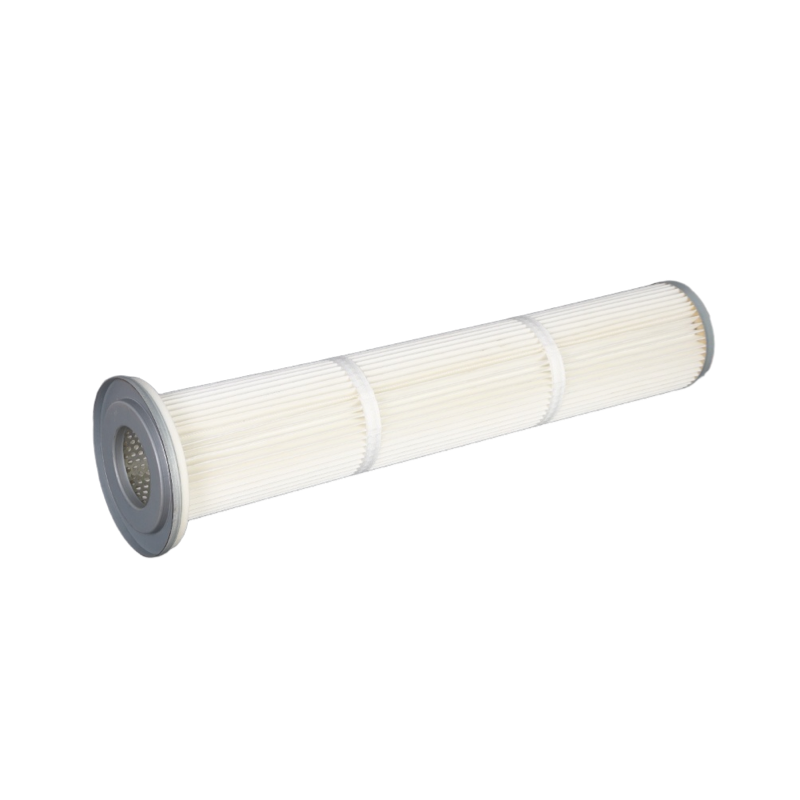
Metalworking and welding applications present a different challenge. High-fume environments generate incredibly fine, sticky particulate. Standard bags blind almost immediately in these conditions. You need a structural advantage to handle fumes. Switching to a 320mm Pleated PTFE Filter Cartridge for Welding transforms your system performance. The pleated design drastically lowers your air-to-cloth ratio. You get more surface area in the same physical space. Additionally, the PTFE membrane provides true surface-loading. The fine fumes sit on top of the slick membrane. They pulse off effortlessly, preventing depth-blinding completely.
Knowing exactly when to replace media is a vital management skill. Waiting too long drives up hidden expenses quickly. You must build a framework to calculate the true cost of operating degraded equipment.
A worn dust collector filter bag restricts airflow severely. Your main fan must work harder to pull air through the blinded fabric. This increases the fan motor amperage dramatically. You consume much more electricity. Simultaneously, the system attempts to clean the blinded bags more frequently. You waste massive amounts of compressed air. These hidden energy drains often exceed the purchase price of replacement media within months.
You must establish a firm tipping point. Use this rule of thumb for replacement: run a prolonged, offline cleaning cycle. Shut the fan down completely. Let the pulse valves cycle several times to clear the fabric. Turn the fan back on. If the differential pressure remains unacceptably high immediately after this process, the media is permanently blinded. Further cleaning will not help. You must replace the media.
Decision Matrix Chart: Maintain vs. Replace | ||
Operational Factor | Cost of Keeping Degraded Media | Result of Installing New Media |
|---|---|---|
Fan Motor Energy | High (Overcoming extreme resistance) | Low (Smooth, unrestricted airflow) |
Compressed Air | Excessive (Continuous pulsing) | Minimal (Occasional on-demand pulsing) |
Maintenance Labor | High (Constant troubleshooting) | Low (Predictable monitoring) |
Production Uptime | Poor (Frequent unplanned shutdowns) | Excellent (Stable operation) |
When you reach this tipping point, apply strict shortlisting logic for new purchases. Do not shop purely on unit price. Advise your purchasing team to demand specific qualifications from suppliers. Request independent media testing data. Demand guaranteed fitment tolerances. A cheap bag that fits poorly will fail in weeks. Prioritize application engineering support. A good supplier helps you select the right fabric for your exact chemical and thermal environment.
Extending filter life remains an exercise in complete system optimization. It goes far beyond simple component preservation. You must control your operating environment rigorously to prevent premature failures.
We encourage plant managers to abandon reactive maintenance habits entirely. Adopt pressure-driven cleaning to save energy and protect your media. Invest the time to match your fabric choices directly to your application requirements. Upgrading specialized equipment pays for itself rapidly through increased uptime.
Take action today. Audit your current differential pressure trends immediately. Verify that your pulse valves operate efficiently. Consult with a qualified filtration specialist to evaluate your current media selection. A proactive approach guarantees long-term operational success.
A: Washing is generally discouraged for most industrial media. It strips away protective treatments, like PTFE membranes, instantly. Water causes the fabric to shrink. This shrinkage leads to poor cage fitment and severe flex-fatigue. Washing also fails to remove deeply embedded fines. It offers only a marginal, short-term reduction in pressure drop before blinding occurs again.
A: While highly specific to the individual system, a healthy baseline usually operates between 2" and 6" w.g. (water gauge). Operators should monitor these trends daily. Rapid pressure spikes indicate sudden issues. An inability to drop below 5" w.g. immediately after a full cleaning cycle strongly indicates permanent blinding.
A: A high air-to-cloth ratio forces too much air through too little media. This high velocity drives particulate deep into the fibers. It accelerates abrasion and structural degradation quickly. Lowering the ratio reduces interstitial velocity. Upgrading to pleated cartridges often achieves this effectively. This simple change extends media lifespan significantly.