Views: 0 Author: Site Editor Publish Time: 2026-06-04 Origin: Site
In industrial filtration manufacturing, machine downtime is never a minor inconvenience. It acts as a direct, severe revenue leak. Heavy-duty fabrics like PTFE, fiberglass, and Nomex dominate our specialized industry. They cause rapid, aggressive wear on mechanical components compared to standard textiles. Abrasive materials destroy unmaintained parts quickly. We must acknowledge this harsh operational reality. You cannot afford unexpected halted operations during critical production runs.
Our objective is to provide an evidence-backed, systematic maintenance framework. We want to help you maximize equipment lifespan effectively. You will learn how to ensure compliance with strict production tolerances. We will guide you to protect your heavy capital investment. You will discover actionable, structured protocols to keep automated production lines moving continuously. Implementing these exact strategies transforms erratic workflows into highly predictable manufacturing outcomes.
Preventative vs. Reactive: Scheduled maintenance reduces unexpected downtime by an average of 40% in heavy textile applications.
Critical Wear Points: Loopers, needles, and feeding mechanisms require daily inspection due to the abrasive nature of filter media.
System Integration: Maintaining a standalone unit differs fundamentally from servicing components within an automated continuous line.
TCO Impact: Documented maintenance protocols directly lower the Total Cost of Ownership (TCO) and delay the need for premature capital replacement.
We must analyze the financial impact of skipped stitches first. Seam failures in filter bags trigger severe downstream consequences. End-users may fail critical environmental emissions tests. You will face costly product returns rapidly. Complete batch rejections ruin monthly profitability goals. A healthy production state requires specific, measurable success criteria. You need consistent stitch length across all abrasive media. We expect zero fabric puckering during final assembly. Uninterrupted high-speed operation remains our ultimate manufacturing goal.
Contrast the daily cost of basic maintenance against catastrophic failure. Lubricants and replacement needles cost very little individually. A ruined rotary hook costs significantly more to replace. A halted production line bleeds thousands of dollars hourly. Ignoring daily upkeep always costs more than performing it.
Consider this simple comparative chart illustrating maintenance approaches:
Strategy | Initial Effort | Downtime Risk | Financial Impact |
|---|---|---|---|
Reactive Maintenance | Low | Extremely High | Severe revenue loss during unexpected halts |
Predictive/Preventative | Moderate (Daily routines) | Low | Stable, predictable operational expenditures |
Shift-change cleaning must happen daily without exception. You need strict protocols for clearing highly abrasive dust. Fiberglass and PTFE lint accumulate fast during operation. Focus heavily on the needle bar, feed dog, and looper areas. Operators often debate using compressed air versus shop vacuums.
We strongly recommend vacuuming over blowing air. Compressed air pushes sharp debris deeper into sensitive bearings. Vacuums safely remove abrasive particles from moving metallic parts.
Best Practice: Assign dedicated microfiber brushes to each operator station.
Common Mistake: Using high-pressure shop air to clean the rotary hook.
Lubrication management requires strict weekly oversight. Identify critical oiling points clearly on the chassis. Check fluid levels in the automatic lubrication system regularly. You must verify oil clarity during these routine inspections. Cloudy or dark oil indicates internal component grinding. It signals immediate contamination risks requiring fluid replacement.
Pneumatic system checks prevent erratic tension issues. Inspect air pressure regulators frequently during the week. Drain water traps completely to keep air lines dry. Moisture causes unpredictable cylinder movements during sewing. Consistent presser foot pressure relies on clean, dry air.
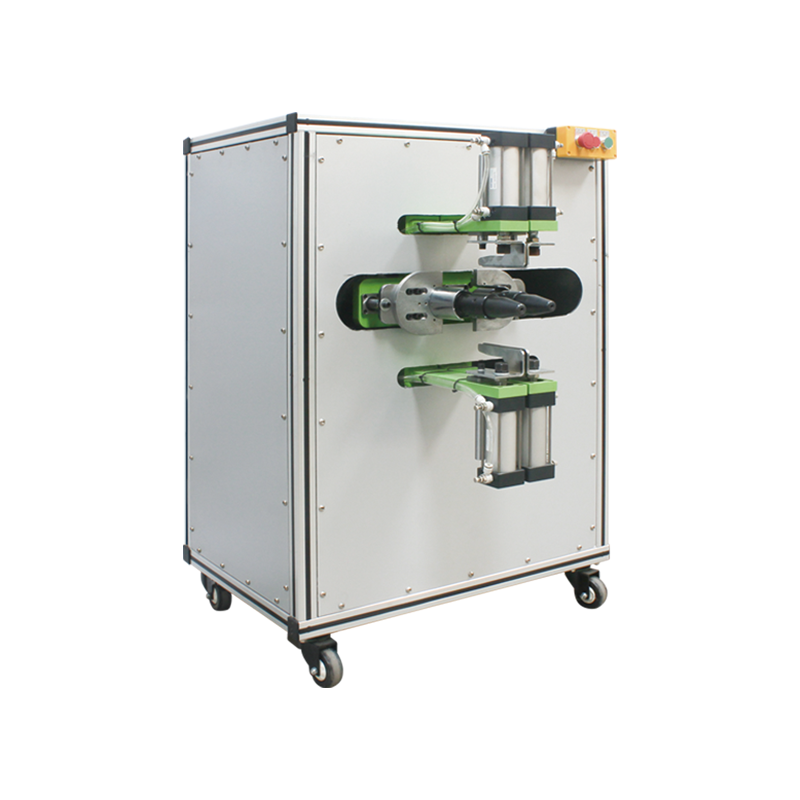
Thread tension and timing require exact, delicate calibration. You must adjust tension systems carefully between production runs. Filter media thicknesses vary greatly between material batches. Incorrect tension causes sudden thread snap at high speeds. When managing High-Speed Precision Filter Bag Folder Industrial Production, folder alignment becomes paramount. Folder alignment dictates feeding accuracy for the entire line.
Use step-by-step logic to check the bag folder mechanism:
Isolate the main power supply before making mechanical adjustments.
Loosen the primary folder mounting brackets slightly.
Feed a sample strip of fiberglass media manually.
Measure the edge deviation using calibrated digital calipers.
Tighten the brackets once alignment shows zero horizontal deviation.
Zero-drift continuous feeding prevents misaligned bag edges. Sensor calibration ensures flawless execution during these runs. Test your optical and mechanical edge-alignment sensors weekly. Clean sensor lenses carefully to remove fine dust layers. Dirty sensors misread fabric edges quickly. This failure leads to skewed seams during high-volume runs. Proper calibration eliminates unexpected alignment drifts entirely.
Hybrid systems present unique, complex maintenance challenges. You must manage thermal welding and mechanical sewing simultaneously. They operate closely within the same continuous production line. A modern Automatic Sewing Welding Line for Filter Bag Manufacturing demands cross-disciplinary servicing. Maintenance teams must understand both heat dynamics and mechanical timing.
Routine drive diagnostics prevent sudden system halts. Check the Programmable Logic Controller (PLC) error logs daily. Monitor servo motors closely for unusual heat dissipation. Overheating indicates excessive mechanical drag along the line. Address dragging components before the motor burns out.
Synchronization verification keeps the entire line moving smoothly. Ensure the feeding conveyor matches the sewing head speed perfectly. Speed mismatches cause severe fabric stretching over long runs. They also lead to dangerous needle deflection. Perfect synchronization guarantees strong, uniform welds and flawless stitches.
Thread breakage at high speeds frustrates experienced operators. We must conduct proper, systematic root cause analysis. Needle heat buildup often melts synthetic threads instantly. Look closely for microscopic burrs on the thread guide. Using an incorrect needle size for heavy fiberglass causes immediate snapping. Every Filter Bag Sewing Machine needs the exact needle profile.
Needle heat mitigation protects your thread integrity. Evaluate your needle cooling mechanisms regularly during operation. Maintain compressed air blowers to ensure optimal airflow. Refill silicone thread lubricators before they run completely dry. These simple steps prevent synthetic thread melting during heavy runs.
Skipped stitches require a highly structured diagnostic framework. Check your looper-to-needle timing first. Ensure the feed dog height matches the media thickness precisely. Minor timing adjustments resolve most skipped stitch issues quickly.
Verify needle installation direction and shaft seating.
Check the clearance between the needle scarf and looper point.
Inspect the needle point for dullness or bending.
Adjust the presser foot pressure to ensure firm media grip.
We must use data-driven shortlisting for equipment evaluations. Track your maintenance hours diligently every single week. Record all replacement part costs over time systematically. Determine the exact operational drain of your current equipment. Objective criteria help you decide when to maintain versus replace. Equipment reaches the end of its reliable life eventually.
Consider upgrading when downtime costs exceed monthly lease payments. Do not pour money into structurally compromised machinery. Worn internal castings cannot hold tight timing tolerances. You will waste resources constantly recalibrating failing components.
Take immediate next-step actions to secure your production. Audit your current production line thoroughly this week. Consult specialized OEM engineers for expert mechanical assessments. Formalize a plant-wide maintenance standard operating procedure immediately. Clear written procedures eliminate dangerous guesswork from daily operations.
Consistent, documented maintenance remains absolutely non-negotiable. It serves as the core factor for scaling filter bag production safely. We encourage operators to transition their mindsets permanently. Move away from reactive troubleshooting immediately. Embrace strict predictive maintenance schedules to secure your daily workflow.
Establish strict daily cleaning protocols to protect bearings from abrasive dust.
Calibrate thread tension and line synchronization weekly to maintain high-speed accuracy.
Monitor sensor health and PLC error logs to preempt major line failures.
Download a printable shift-change maintenance checklist today.
Schedule a comprehensive technical audit with a qualified equipment specialist soon.
A: Always use high-grade, clear sewing machine oil recommended by the OEM. Viscosity requirements typically range between ISO VG 10 and ISO VG 22. These specific grades penetrate tight clearances while resisting thermal breakdown. Avoid using standard automotive lubricants. They contain heavy additives causing sludge buildup in precision textile mechanisms.
A: Replace needles every 8 to 10 operational hours when processing fiberglass or PTFE. Abrasive media dulls needle points rapidly. Dull needles cause excessive heat buildup and severe thread breakage. Do not wait for a needle to snap. Implement mandatory shift-change needle replacements to guarantee consistent stitch quality.
A: Dropped stitches on reinforced areas usually indicate mechanical limits. Your machine may lack sufficient needle penetration power. The presser foot lift might not accommodate the sudden thickness change. Verify your looper-to-needle timing. Consider upgrading to a heavier-duty feed mechanism designed specifically for multi-layer industrial media transitions.
A: Retrofitting remains generally impractical. Automated lines require precise spatial integration and complex drive synchronization. Manual tables lack the necessary sensor mounts and heavy-duty structural rigidity. Upgrading requires a dedicated, continuous-feed chassis. This structure ensures the conveyor perfectly matches the sewing and welding speeds without inducing structural vibration.